November 19, 2025
Healthy trees add structure, shade, and value to your landscape. But even the strongest oak or maple can fall victim to disease. Tree illness often starts quietly, spreading through roots or leaves long before you notice visible decline. Once symptoms appear, the clock begins to tick.
In this complete homeowner’s guide from Tree & Stump Removal Service, you’ll learn how to identify early signs of disease, understand the causes, and know when to call in a professional. We’ll also explain what you can do to prevent future problems and protect your trees year-round.
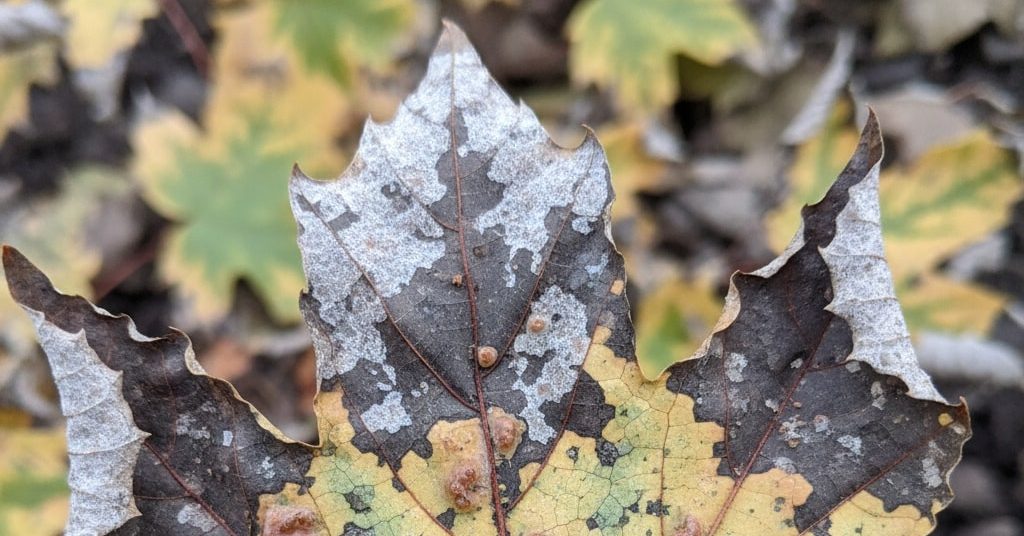
1. Leaf Discoloration and Spotting
Leaves tell you a lot about your tree’s health. When they start changing color too early, curling, or developing spots, disease is often to blame.
Common Signs:
- Yellowing leaves in midsummer (nutrient deficiency or root rot)
- Brown or black spots indicating fungal or bacterial infections
- Premature leaf drop in patches
- Wilting despite normal watering
Expert Insight: Compare your tree to others nearby. If it’s the only one showing signs, disease, not weather, is likely the cause.
2. Bark Damage or Peeling
The bark acts as your tree’s immune system. Cracking, peeling, or cankers (sunken lesions) mean the tree is losing protection against pests and decay.
What to Look For:
- Oozing sap, sticky patches, or streaks running down the trunk
- Dead bark sections revealing soft or discolored wood beneath
- Bark falling away in large plates
Expert Tip: Tap gently on the trunk. A hollow or dull sound often signals internal rot spreading upward.
3. Fungal Growth Around the Base
Fungi love moisture and decaying wood. Mushrooms or conks near the trunk base are one of the clearest signs of internal decay.
Signs of Root Rot:
- Mushrooms clustered around the root flare
- Soil that stays soggy or has a foul odor
- The tree is leaning slightly, even without wind
Once decay begins inside the root system, the tree’s structure becomes compromised. In many cases, removal is necessary to prevent a fall hazard.
4. Dead or Falling Branches
Occasional dead branches are normal, but consistent dieback or sudden limb drops, especially in calm weather, indicate deep structural or health issues.
Possible Causes:
- Bacterial canker
- Insect activity is disrupting nutrient flow
- Poor drainage suffocates roots
- Root injury from soil compaction or trenching
Pruning removes hazards temporarily, but if new limbs keep dying, the problem runs deeper.
5. Cracks, Cavities, or Oozing Wounds
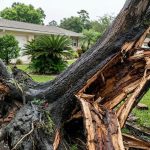
Cracks often appear when the inner wood separates from the bark. Cavities form as fungi and decay expand inside the trunk.
Watch For:
- Large hollow areas
- Gummy or foamy sap oozing from wounds
- Splits along major limbs or the main trunk
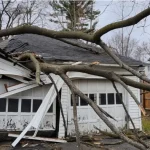
Safety Alert: A cracked trunk, especially one near buildings or power lines, needs immediate professional evaluation. Weak trees can fail suddenly during storms.
6. Insect Activity and Boring Damage
Insects don’t usually cause disease, but they exploit weakened trees. Boring beetles, ants, and borers can speed up decline.
Common Pests:
- Emerald ash borer: D-shaped holes and canopy thinning
- Bark beetles: Fine sawdust or frass at the base
- Carpenter ants: Hollowed interior wood
Treating a diseased tree without addressing pest infestation won’t solve the problem. Arborists often combine pest management with pruning or injections to save the tree.
7. Slow Growth or Dieback at the Crown
A thinning crown means the tree isn’t distributing nutrients properly. The upper branches may die off first as the disease moves upward.
Contributing Factors:
- Fungal wilt diseases
- Compacted soil is restricting roots
- Overwatering or underwatering
- Chemical or salt exposure near driveways
If the top half of the tree looks sparse or bare, it’s often a sign of vascular damage when the tree can’t move water or nutrients efficiently.
Treatment Options for Diseased Trees
Once you’ve identified symptoms of disease, the next step is choosing the right treatment. The right approach depends on how far the infection has spread and what type of pathogen or pest is involved. Acting quickly can often save a tree that still has a healthy root system and active growth.
Common Treatment Methods:
- Pruning and Removal of Infected Wood:
Carefully cut away affected limbs and dispose of debris off-site. Always sanitize pruning tools between cuts to prevent spreading pathogens. - Fungicide or Insecticide Applications:
Targeted trunk or soil treatments can help control fungal infections or pest infestations. These should be applied by professionals using calibrated equipment. - Soil Aeration and Nutrient Boosting:
Compacted soil suffocates roots. Loosening soil and adding organic compost or balanced fertilizer helps trees recover strength and resist further infection. - Deep Root Watering:
Inconsistent moisture weakens a tree’s defenses. Deep, slow watering once a week encourages root stability and disease resistance. - Cabling or Bracing:
For structurally weakened trees that can still be saved, cabling and bracing offer temporary support while recovery treatments take effect.
Expert Tip:
If more than one-third of the canopy is dead or the trunk shows deep decay, treatment may not be effective. In these cases, safe removal and replanting a disease-resistant species is the smarter long-term solution.
Common Tree Diseases and Their Key Symptoms
| Disease | Main Signs | Action |
| Root Rot | Mushrooms, foul odor, soggy soil | Improve drainage or remove if advanced |
| Canker | Cracked bark, oozing sap | Prune infected areas early |
| Wilt Disease | Uneven leaf wilting | Professional diagnosis required |
| Leaf Spot | Brown/black leaf patches | Remove debris, apply fungicide |
| Blight | Curling, scorched leaves | Prune and disinfect tools |
When to Call a Professional Arborist
You should contact a certified arborist if you notice:
- Multiple symptoms across branches, trunk, and roots
- Visible fungus, hollow areas, or peeling bark
- Trees leaning toward structures
- Cracks or branches larger than 2 inches are falling frequently
Tree & Stump Removal Service provides expert disease diagnosis, treatment, and safe removals throughout the region. A professional can determine whether your tree can be saved or needs removal for safety.
How Professionals Diagnose Tree Diseases
Tree experts use both observation and testing to confirm disease type and severity.
Diagnostic Methods:
- Visual assessment: Examining bark, foliage, and root systems
- Soil analysis: Checking pH, moisture, and nutrient content
- Lab testing: Detecting fungal or bacterial strains
- Resistograph testing: Measuring internal wood strength
Accurate diagnosis ensures treatment is targeted and effective rather than guesswork.
How to Prevent Tree Disease
Healthy trees resist infection better. Consistent care and monitoring are your best defense.
Prevention Tips:
- Prune annually to remove dead or crossing limbs
- Water deeply but infrequently to promote root growth
- Use mulch properly, keep it 2–3 inches away from the trunk
- Sanitize pruning tools between trees to avoid cross-contamination
- Schedule yearly health inspections from a certified arborist
Also, avoid piling soil or mulch against the trunk; it traps moisture and encourages decay.
Frequently Asked Questions
How can I tell if my tree is still alive or dying?
Scratch a twig or small branch. If the wood underneath is green and moist, the tree is still alive. If it’s brittle, dry, or brown inside, it’s likely dead or severely stressed and needs professional evaluation.
Are all fungi on trees harmful?
Not all. Lichens and minor surface fungi are usually harmless, but shelf fungi, conks, or mushrooms at the base can signal internal decay. If you see them, schedule an arborist inspection to assess structural stability.
Can a diseased tree recover with treatment?
Yes, if diagnosed early. Treatments like selective pruning, fungicides, and soil aeration can often stop or reverse the damage. The key is catching symptoms early before decay or pest activity spreads.
Should I remove a diseased tree right away?
Only if it’s leaning, hollow, or dropping heavy limbs. In other cases, a certified arborist can test and determine whether targeted treatment may save it safely without immediate removal.
Can one diseased tree infect others nearby?
Yes. Fungal spores and pathogens can spread by wind, rain, or shared soil. Always sanitize tools, remove infected debris, and monitor nearby trees to prevent the spread of further infection.
What should I do if I notice fungus or dead branches?
Don’t ignore it. Take photos of the affected areas and contact a licensed arborist for diagnosis. Early intervention can prevent costly removal and protect other healthy trees on your property.
Protect Your Landscape with Local Expertise
Tree health issues are far easier to manage when addressed early. Don’t wait for falling branches, decay, or spreading infections to threaten your landscape. A quick professional inspection can save you time, money, and valuable trees.
Tree & Stump Removal Service provides expert disease diagnosis, precision pruning, safe removals, and full stump grinding for both residential and commercial properties. With decades of hands-on experience and certified arborists on staff, we deliver dependable, safety-focused results every time.
Protect your property before disease spreads.