March 24, 2026
Are those majestic trees in your yard becoming more of a worry than a wonder? Overgrown trees aren’t just an aesthetic problem; they pose significant risks to your property, safety, and the tree’s own health. Knowing when to call in the experts can prevent costly damage and ensure your landscape remains beautiful and secure.
Key Takeaways
- Overgrown trees are a safety hazard, increasing risks of falling branches, property damage, and even electrocution.
- Key signs include branches touching structures, deadwood, fungus, leaning trunks, and rapid, unbalanced growth.
- Local regulations often require permits for tree removal, and professionals understand these legal requirements.
- DIY tree work is extremely dangerous; professional services offer expertise, specialized equipment, and insurance.
- Costs for tree services vary widely but are influenced by tree size, accessibility, condition, and the scope of work.
- Choosing a reputable, insured tree service like Tree & Stump Removal Service ensures safe, efficient, and compliant work.
What Exactly Constitutes an Overgrown Tree?
An overgrown tree is one whose growth has exceeded a healthy, safe, or desirable state for its species, location, or surrounding environment. It’s not just about height; it involves the density, spread, and structural integrity of its branches and roots.
Beyond Just Size: Defining “Overgrowth”
Defining ‘overgrowth’ goes beyond a tree simply being tall. It refers to an imbalance in its structure, a spread that infringes on property or utilities, or a growth pattern that compromises its health and stability. This could mean branches are too dense, crossing over each other, or extending too far in one direction.
Why Overgrown Trees Are a Serious Problem
Overgrown trees present a range of serious issues, from immediate physical dangers to long-term property damage and legal complications. Ignoring these issues can lead to significant financial burdens and safety risks.
Safety Hazards: A Silent Threat
The most pressing concern with overgrown trees is the safety risk they pose. Weakened, dead, or excessively long branches can snap off without warning, especially during storms, potentially injuring people or pets below. According to the U.S. Bureau of Labor Statistics (BLS), tree work remains one of the most dangerous occupations in the country, with fatalities frequently resulting from falls and being struck by falling objects. This highlights the inherent dangers even for trained professionals, let alone homeowners.
Property Damage & Infrastructure Risks
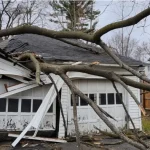
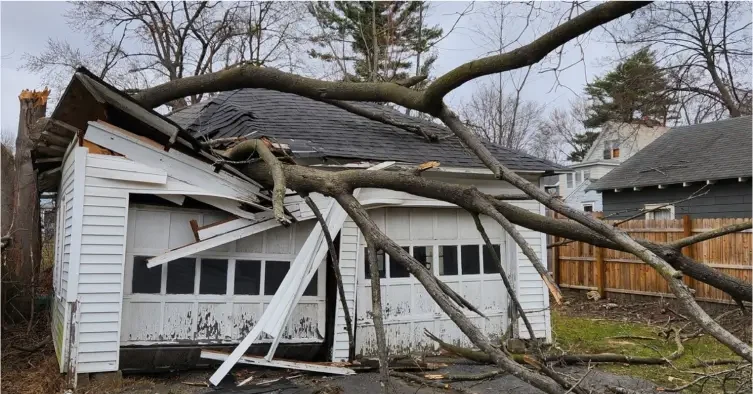
Beyond immediate safety, overgrown trees can inflict considerable damage on your home and surrounding infrastructure. Branches scraping against your roof can wear away shingles, leading to leaks. Invasive root systems can crack foundations, driveways, and sidewalks. Furthermore, overgrown trees near power lines create fire hazards and can cause power outages, which may even result in fines from utility companies.
Legal & Regulatory Implications
Many local municipalities have strict regulations regarding tree removal and pruning, especially for larger or protected species. Removing a tree without the proper permits can result in substantial fines, which can range from hundreds to thousands of dollars. Always check with your local planning department; a professional service like Tree & Stump Removal Service can help you understand and navigate these local ordinances for trees in the local area.
Clear Signs Your Trees Are Overgrown and Need Help
Identifying an overgrown tree before it becomes a hazard is crucial. Homeowners should conduct periodic self-surveys as recommended in the USDA Forest Service Homeowner’s Guide. Look for these specific indicators that suggest your tree needs professional attention.
Visible Growth Patterns
Observing the way your tree grows provides immediate clues about its health and structural integrity. Abnormal growth patterns often indicate underlying issues or a need for corrective pruning.
- Branches Touching Structures: If limbs are scraping against your roof, gutters, or siding, they need to be trimmed back. This prevents damage to both the tree and your home.
- Unbalanced Canopy: A tree that appears lopsided or has significantly more growth on one side may be structurally unsound and prone to falling.
- Dense, Crowded Branches: Too many branches growing too close together can prevent light and air circulation, making the tree susceptible to disease and pests. This also creates weak points.
- Rapid Growth After Pruning: If your tree quickly sprouts many new, thin branches (epicormic shoots or ‘water sprouts’) after a pruning, it might be a sign of stress or improper previous trimming.
Structural Weaknesses & Damage
Physical damage or unusual formations on the tree itself are red flags, signaling weakness and potential failure points. These signs often point to a tree that has become a liability.
- Dead or Decaying Limbs: Any brittle branches, lack bark, or don’t produce leaves are deadwood. These are prime candidates for falling and pose a significant risk.
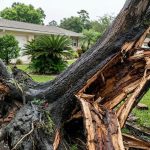
- Cracks or Splits in the Trunk/Branches: Visible cracks, especially those running deep, indicate structural weakness that could lead to the tree splitting apart.
- Hollow Spots or Cavities: Large holes or hollow areas in the trunk or major branches suggest internal decay, compromising the tree’s stability.
- Fungus or Mushroom Growth: Fungi growing on the trunk or at the base of the tree often signal internal decay or wood-decay fungi, which can severely weaken the tree’s structural integrity.
Health Indicators & Disease
A tree’s overall health is reflected in its leaves, bark, and general vigor. Changes here can indicate stress, disease, or pest infestations that require professional diagnosis and treatment.
- Discolored or Sparse Leaves: Leaves that are yellowing, browning, or falling prematurely (outside of autumn) can indicate disease, nutrient deficiency, or drought stress.
- Pest Infestation: Visible insects, boreholes, or sawdust-like material (frass) on the trunk or branches suggest an active pest problem that can weaken the tree.
- Cankers or Lesions: Sunken, discolored areas on the bark, known as cankers, are often signs of bacterial or fungal infections.
- Excessive Sap or Bleeding: Unusual amounts of sap oozing from the trunk or branches can be a symptom of disease or insect damage.
Proximity to Structures & Utilities
The proximity of your tree to other elements in your landscape is a practical concern. When a tree encroaches on these spaces, it creates immediate risks and necessitates intervention.
- Branches Near Power Lines: Any part of your tree growing too close to power lines is a serious hazard and typically requires specialized utility pruning.
- Roots Lifting Hardscapes: If tree roots are pushing up sidewalks, driveways, or foundations, they can cause significant damage and create tripping hazards.
- Obstructing Views or Pathways: Trees blocking essential views or overhanging pathways can become nuisances or even safety risks for pedestrians and drivers.
- Overhanging Neighbor’s Property: Branches extending significantly over property lines can lead to disputes and legal liabilities if damage occurs.
The Risks of DIY Tree Trimming vs. Professional Service
When faced with an overgrown tree, homeowners often consider tackling the job themselves. However, the complexities and dangers involved in tree care make professional intervention the safer, more effective choice. Professional arborists adhere to ANSI A300 Pruning Standards to ensure the long-term health of the plant while mitigating risk.
| Aspect | DIY Tree Care | Professional Tree Care |
|---|---|---|
| Safety & Risk | High risk of falls, cuts, and property damage | Handled safely by trained, insured crews |
| Equipment | Basic or rented tools, often inadequate | Professional equipment built for safe, efficient work |
| Expertise | Limited knowledge, higher risk of mistakes | Expert care that protects tree health and structure |
| Time & Effort | Slow, physically demanding, cleanup required | Fast service with full cleanup included |
| Outcome | Inconsistent results, possible damage | Clean, safe, and long-lasting results |
What to Expect from Professional Tree & Stump Removal Service
Engaging a professional service like Tree & Stump Removal Service means you’re not just getting trees trimmed; you’re investing in expertise, safety, and peace of mind. Here’s what you can expect when you partner with us for your tree care needs in the local area.
Initial Assessment & Quotation
Our process begins with a thorough evaluation of your trees and property. We assess the tree’s health, structural integrity, and proximity to structures, and identify any potential hazards. We then provide a detailed, transparent quote outlining the scope of work, expected timeline, and all associated costs, ensuring no misunderstandings later.
Understanding Permits and Regulations
Navigating local tree ordinances can be complex. We’ll guide you through the permit process if tree removal or significant pruning is required in your area. We ensure all work complies with local regulations, preventing any legal issues or fines for you. This often includes verifying if a tree is protected or if replacement planting is necessary.
The Service Execution: Safety First
Safety is our absolute priority. Our trained team uses industry-standard safety protocols and specialized equipment, including bucket trucks, rigging, and personal protective gear, to perform the work efficiently and without incident. We take every precaution to protect your property during the service, minimizing any impact on your landscape.
Post-Service Cleanup & Follow-Up
Once the work is complete, our team performs a comprehensive cleanup. We remove all branches, wood, and debris from your property, leaving your yard tidy and free of hazards. We also follow up to ensure your satisfaction and address any lingering questions or concerns you might have.
Factors Influencing the Cost and Timeline of Tree Services
The cost and timeline for professional tree services can vary significantly. Several key factors influence these estimates, and understanding them helps manage expectations and budget effectively.
Tree Size and Species
Larger, taller trees require more specialized equipment, more time, and greater expertise to manage safely. Removing a small ornamental tree might cost, while a mature oak or pine over 60 feet tall could range from $1,000 to $4,000 or more. The species also matters; some trees are denser or have more complex growth patterns.
Location and Accessibility
Trees located in hard-to-reach areas, such as those close to houses, power lines, or fences, or on steep slopes, will incur higher costs. These situations demand more precise techniques, specialized equipment, and additional safety measures. Easy access for equipment and crew can significantly reduce labor time and cost.
Health and Condition of the Tree
A healthy tree is generally easier and safer to work on than a diseased, decaying, or storm-damaged one. Trees that are structurally compromised, riddled with pests, or partially fallen require extra caution and specialized techniques, increasing both the cost and the time required for safe removal or pruning.
Scope of Work: Pruning vs. Removal
The specific service you need plays a major role. Simple aesthetic pruning or thinning is typically less expensive than a full tree removal. If stump grinding is included, that will be an additional cost, usually ranging from $100-$500 depending on stump size. Emergency services for fallen trees also come at a premium due to immediate scheduling demands.
Choosing the Right Tree & Stump Removal Service in the Local Area
Selecting the right tree service provider is critical for ensuring safety, quality, and value. With numerous businesses operating in the U.S. tree trimming services industry (approximately 175,000 businesses), knowing what to look for helps you make an informed decision.
Look for Certifications and Insurance
Always verify that any tree service you consider holds relevant certifications, such as those from the International Society of Arboriculture (ISA). More importantly, ensure they carry adequate insurance, liability insurance to cover property damage and workers’ compensation for their crew. This protects you from financial responsibility if an accident occurs on your property.
Transparency in Quotes and Contracts
A reputable company will provide a written, detailed quote that clearly outlines the scope of work, the equipment to be used, cleanup procedures, and the total cost. Beware of vague estimates or companies demanding full payment up front. Transparency in pricing and communication about the entire process is a hallmark of professionalism.
Reputation and References
Check online reviews and ask for local references. A company with a strong track record of satisfied customers is a good indicator of reliability and quality workmanship. Ask about their experience with jobs similar to yours and how they handle unexpected challenges. For trusted services in the local area, consider Tree & Stump Removal Service.
Frequently Asked Questions
How often should I have my trees professionally pruned?
You should consider professional tree pruning every 3-5 years for mature trees. However, trees showing rapid growth, signs of disease, or proximity issues with structures may need attention more frequently. Regular inspections can help determine the best schedule.
Do I need a permit to remove an overgrown tree?
Yes, many municipalities require permits for removing trees, especially those exceeding a certain diameter or protected species. Failing to get a permit can result in hefty fines. A professional service like Tree & Stump Removal Service can help navigate these requirements.
Can I trim an overgrown tree myself?
While minor pruning of small branches might be manageable, large or overgrown trees pose significant risks. Falls, electrocution, and property damage are common. Arborists have the training, equipment, and insurance to perform the work safely.
What are the most obvious signs of an overgrown tree?
Look for signs like branches touching your roof or power lines, dead or decaying limbs, a leaning trunk, fungus growth, or visible cracks. If your tree hasn’t been pruned in years and looks unbalanced, it’s likely overgrown.
What kind of damage can an overgrown tree cause?
An overgrown tree can cause severe property damage, including roof damage from scraping branches, cracked foundations from invasive roots, and broken fences or structures during storms. It also increases the risk of personal injury.
What benefits do professional tree services offer?
Professional tree services include pruning, removal, stump grinding, and emergency services. They ensure the job is done safely, efficiently, and in compliance with local regulations, protecting your property and enhancing tree health.
Protect Your Property Before Tree Problems Escalate
Recognizing the signs of overgrown or unhealthy trees early protects your property and ensures safety. Don’t wait for a small issue to become a major hazard. For expert assessment and reliable service in the local area, reach out to Tree & Stump Removal Service. We’re here to keep your landscape beautiful and safe. Contact Us