October 31, 2025
Albany homeowners know the value of shade during the warm summer months. A strategically planted tree can lower cooling costs, provide a natural outdoor retreat, and even protect lawns and gardens from excessive sun. Shade trees also add beauty with seasonal color and structure that enhances curb appeal. In a four-season climate like Albany’s, where summers are humid and winters can be harsh, choosing the right tree is critical. A tree that grows quickly and thrives in USDA Hardiness Zone 5 will deliver benefits without unnecessary headaches.
How to Choose the Right Shade Tree in Albany, NY
Before selecting a tree, it helps to understand what makes a good fit for the Capital Region.
Key considerations include:
- Hardiness: Albany sits in USDA Zone 5a/5b, meaning trees must tolerate temperatures as low as -15°F.
- Growth rate: A fast grower delivers shade sooner but may sacrifice durability. Slower-growing species often develop stronger wood and longer lifespans.
- Soil adaptability: Local soils range from clay to loam. A tree with wide tolerance is best for suburban yards.
- Salt tolerance: Winter road salt can affect trees planted near driveways and streets.
- Lifespan: Some fast-growing trees live only 20–30 years, while others can thrive for a century.
- Maintenance: Consider pruning needs, seed or branch drop, and susceptibility to pests or disease.
- Size at maturity: Shade trees often reach 40–100 feet tall. Space planning ensures they do not interfere with power lines, sidewalks, or foundations.
With these factors in mind, let’s look at the top fast-growing shade trees that do well in Albany yards.
Top Fast-Growing Shade Trees for Albany Yards
Silver Maple
- Growth speed: Among the fastest, often exceeding two feet per year.
- Mature size: 50–90 feet tall with a spread just as wide.
- Lifespan: Typically 50-80 years, shorter than many hardwoods.
- Soil preference: Tolerant of clay, loam, and wet conditions.
- Pests/disease: Vulnerable to storm breakage, aphids, and root issues.
Pros: Offers rapid shade, adapts to many soil types, attractive silver undersides of leaves shimmer in the wind.
Cons: Weak wood is prone to storm damage, and roots can buckle sidewalks or invade sewer lines.
Albany note: Works best in wide-open yards far from structures. While it delivers quick shade, homeowners should be prepared for regular cleanup and eventual removal as the tree ages.
Red Maple
- Growth speed: Moderate to fast, 1–2 feet per year.
- Mature size: 40–60 feet tall with a balanced canopy.
- Lifespan: Often 80–100 years under good conditions.
- Soil preference: Grows in a wide range of soils but prefers slightly acidic conditions.
- Pests/disease: Relatively pest resistant, though may suffer leaf scorch in drought.
Pros: Provides reliable shade and brilliant red fall foliage, adaptable to wet and dry conditions, and sturdier than silver maple.
Cons: Roots can grow near the surface, potentially disrupting nearby paving or lawns.
Albany note: A strong all-around choice for local yards. Performs well in both suburban neighborhoods and rural areas.
Tulip Tree (Yellow Poplar)
- Growth speed: Fast, often more than two feet per year when young.
- Mature size: 70–90 feet tall with a narrow, upright form.
- Lifespan: 200 years or more in the right setting.
- Soil preference: Prefers deep, well-drained soils and full sun.
- Pests/disease: Can attract aphids that cause sticky honeydew on surfaces below.
Pros: Striking presence with large tulip-shaped flowers in late spring, tall and straight growth, attracts pollinators.
Cons: Sensitive to drought and compacted soil, needs space for its height.
Albany note: Best suited for large yards with room to showcase its stature. Offers both shade and seasonal beauty but requires thoughtful placement.
River Birch
- Growth speed: 1.5–2 feet per year.
- Mature size: 40–70 feet tall, often multi-trunked.
- Lifespan: 30–40 years on average.
- Soil preference: Thrives in moist, acidic soils but adapts to clay and sand.
- Pests/disease: Resistant to bronze birch borer, which harms other birch varieties.
Pros: Attractive peeling bark provides winter interest, tolerates wet soils where other trees struggle, good disease resistance.
Cons: Shorter lifespan, requires consistent moisture during establishment.
Albany note: A good option for properties with wetter soil or drainage issues. Its unique appearance adds ornamental value along with shade.
Hybrid Poplar
- Growth speed: Extremely fast, up to 5–8 feet per year.
- Mature size: 40–50 feet tall, narrower canopy than oaks or maples.
- Lifespan: 20–30 years at most.
- Soil preference: Adapts to many soil types.
- Pests/disease: Prone to canker and other diseases, which shorten lifespan.
Pros: Rapid shade and windbreak, helpful for new homeowners who want immediate results.
Cons: Weak wood, short life expectancy, prone to disease.
Albany note: Works well as a temporary tree while slower, longer-lived species establish. Best used in combination with oaks or maples for lasting shade.
Northern Red Oak
- Growth speed: 1–2 feet per year when young.
- Mature size: 60–120 feet tall with a broad canopy.
- Lifespan: Often exceeds 150 years.
- Soil preference: Prefers well-drained, slightly acidic soils.
- Pests/disease: Susceptible to oak wilt and gypsy moth caterpillars, but generally resilient.
Pros: Strong wood, long life, rich fall color, valuable for wildlife habitat.
Cons: Requires space, less tolerant of poorly drained or compacted soils.
Albany note: A top choice for durability and beauty. Ideal for homeowners who want a tree that will outlast generations.
Sycamore
- Growth speed: Moderate to fast, up to 2 feet per year.
- Mature size: 75–100 feet tall with wide-spreading branches.
- Lifespan: 200–250 years possible.
- Soil preference: Tolerates wet and compacted soils.
- Pests/disease: May suffer from anthracnose in wet springs, though usually not fatal.
Pros: Distinctive bark, excellent shade provider, adapts well to city environments.
Cons: Drops bark, seeds, and leaves regularly, very large size not suitable for small lots.
Albany note: Performs well in open spaces, parks, or very large residential yards. Homeowners should be ready for regular clean-up.
Planting and Care Tips for Albany Homeowners
Planting success in Albany comes down to timing and technique.
- When to plant: Early spring and early fall are best, avoiding summer heat or winter freeze.
- How to plant: Dig a wide hole, loosen the surrounding soil, and plant at the same depth the tree grew in its nursery container.
- Watering: Young trees need consistent watering for the first two years, especially during dry spells.
- Mulching: Apply mulch in a three-foot circle to conserve moisture and prevent weeds, keeping it a few inches away from the trunk.
- Pruning: Regular pruning shapes the tree and reduces the chance of weak limbs breaking during snow or windstorms.
When Fast-Growing Trees Become a Problem
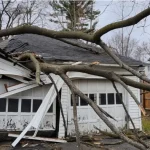
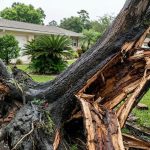
Fast-growing trees bring benefits but can also lead to challenges. Shallow roots may interfere with walkways or sewer lines. Brittle wood can break in heavy snow or ice. Trees that outgrow their space may pose risks to nearby structures.
When a tree becomes unsafe or unwanted, professional removal is the safest choice. Stump grinding is equally important since stumps can attract pests, sprout suckers, or get in the way of replanting. Preparing a site properly ensures your next tree grows strong and healthy.
Tree & Stump Removal Services in Albany offers professional removal, stump grinding, and site preparation to help homeowners maintain safe, beautiful yards.
Frequently Asked Questions About Shade Trees in Albany, NY
What is the fastest-growing shade tree for Albany, NY?
Hybrid poplars are among the fastest-growing shade trees, sometimes adding up to eight feet per year. However, they have a shorter lifespan compared to oaks or maples.
Which shade trees are the most low-maintenance in Albany’s climate?
Red maples and northern red oaks are considered reliable and relatively low-maintenance. Both adapt well to local soils, provide strong shade, and have fewer pest or disease problems than other fast growers.
When is the best time to plant trees in Albany, NY?
The best planting seasons are early spring and early fall. These periods give roots time to establish before summer heat or winter cold.
Do fast-growing trees have weaker wood?
Some fast growers, such as silver maples and hybrid poplars, have weaker wood and are more prone to storm damage. Slower-growing species like oaks tend to develop stronger, more durable wood.
Can I plant a new tree where a stump was removed?
Yes, but the old stump must be ground out completely. Leftover roots and wood chips can interfere with the growth of new trees. Professional stump grinding ensures the site is ready for healthy planting. We suggest adding Nitrogen to the soil on a regular basis.
Choosing the Right Tree for Your Capital Region Yard
The right shade tree can transform a yard, adding comfort, beauty, and long-term value. Options like silver maple and hybrid poplar provide quick relief but come with trade-offs, while oaks and red maples offer sturdiness and longevity. Albany homeowners benefit most from considering both short-term and long-term goals when planting.
Whether you need space cleared for new plantings or help removing a storm-damaged tree, Tree & Stump Removal Services is here to assist. With thoughtful planning and proper care, your shade tree will provide decades of enjoyment in your Capital Region yard.