January 30, 2026
Living near the majestic Mohawk River in Schenectady offers beautiful views, but it also presents a unique challenge for your trees: root rot. This destructive fungal disease thrives in specific environmental conditions prevalent along the riverbanks. Understanding why your trees are more vulnerable here is the first step in protecting your property and ensuring their long-term health.
Key Takeaways
- Trees situated near the Mohawk River in Schenectady face an increased risk of root rot due to frequent flooding and consistently high water tables.
- Prolonged soil saturation creates anaerobic conditions, fostering the growth of decay-causing fungi that attack tree roots.
- Early identification of symptoms like yellowing leaves, stunted growth, or branch dieback is crucial for effective intervention and tree preservation.
- Schenectady homeowners must be aware of specific local regulations governing tree removal, especially for street trees and properties within historic districts.
- Professional arborists from Tree & Stump Removal Service offer expert diagnosis, safe removal, and effective preventative strategies tailored to the unique challenges of the Mohawk River environment.
Understanding Root Rot: A Threat to Schenectady’s Riverside Trees
- Root rot is a fungal disease that attacks and destroys the root systems of trees.
- It thrives in waterlogged, oxygen-depleted soils, which are common along riverbanks.
- Affected roots lose their ability to absorb essential water and nutrients, starving the tree.
- This weakens the tree’s overall structure, making it unstable and highly susceptible to other diseases, pests, and windthrow.
Local Factors Increasing Root Rot Risk Near the Mohawk River
Frequent Flooding Events
The Mohawk River Valley, including Schenectady, is no stranger to significant water events. Frequent flooding from heavy rainfall and snowmelt creates environments where root rot thrives. Both “free-water” flood events, often occurring in late summer or early fall from tropical depressions, and “break-up” events in winter or early spring, caused by melting snow and ice jams, contribute to prolonged soil saturation. Major historical floods, such as Hurricane Irene in 2011, highlight the area’s vulnerability and the stress placed on riverside trees. Learn more about the Mohawk River and its history.
High Water Table and Saturated Soils
Trees growing close to the Mohawk River are consistently exposed to a high water table. This limits how deep roots can grow, compromising a tree’s stability and overall health. When soils stay saturated for too long due to flooding or a high water table, they become anaerobic, meaning they lack oxygen. This leads to the buildup of harmful gases like carbon dioxide and methane, which are incredibly detrimental to most tree species. Understanding the water table helps explain why this is a problem.
How Floodwaters Damage Soil and Expose Tree Roots
Floodwaters can drastically alter the soil surrounding your trees. They might erode soil away, leaving sensitive tree roots exposed and vulnerable to damage. Conversely, floodwaters can deposit thick layers of sediment over existing root systems, effectively suffocating them. Both scenarios negatively impact a tree’s ability to anchor itself and absorb vital resources, further stressing it and making it more susceptible to root rot.
Water Quality Issues Increase Tree Stress and Disease Risk
While water quality in the Mohawk River has seen improvements, it still faces challenges from pollution, including sediment, bacteria, and excess nutrients, particularly after heavy rains. While not a direct cause of root rot, poor water quality can add to a tree’s overall stress load. A stressed tree is less able to fight off diseases like root rot, exacerbating the effects of other environmental pressures. Understanding water quality factors is part of a holistic approach to tree health.
Recognizing the Signs of Root Rot in Schenectady Trees
Root rot often develops below the surface, so the warning signs show up in the canopy and trunk long before the roots are visible. In Schenectady, heavy clay soils, poor drainage, and extended wet periods make these symptoms especially important to watch for.
- Yellowing or pale leaves, especially on older growth, even when nearby trees and plants appear healthy. This usually points to roots that can’t absorb nutrients properly.
- Slow or stunted growth, with leaves that look smaller than normal or fail to fully develop. Trees affected by root rot are essentially starving despite being in the ground.
- Early leaf drop or wilting, sometimes occurring during mild weather or when soil moisture is adequate. This is often mistaken for drought stress but doesn’t improve with watering.
- Branch dieback, typically starting at the outer tips and moving inward. Over time, more of the canopy may thin out or fail to leaf out at all.
- Mushrooms or fungal growth near the base of the tree or along exposed roots, which is a strong indicator that decay-causing fungi are active underground.
- A general decline in vigor, where the tree looks weak, sparse, or unhealthy compared to previous seasons.
- Cracked, soft, or peeling bark near the soil line, sometimes paired with a musty or foul smell — a clear sign of decaying roots beneath the surface.
Catching these signs early can make the difference between saving a tree and needing to remove it, especially in areas with poor drainage like many parts of Schenectady.
Frequently Asked Questions
What causes root rot in trees near the Mohawk River?
Trees near the Mohawk River in Schenectady are prone to root rot due to frequent flooding, a high water table, and prolonged soil saturation. These conditions create an oxygen-depleted environment that favors destructive fungal pathogens like Phytophthora, severely damaging tree roots.
How can I tell if my tree has root rot?
Look for yellowing or pale leaves, stunted growth, premature leaf drop, and dieback of branches. You might also notice mushrooms or fungal growths at the tree’s base, along with a general decline in vigor. These are clear indicators of root rot.
Do I need a permit to remove a tree in Schenectady?
Removing trees on private property usually doesn’t need a permit. However, removing ‘street trees’ (in public spaces) or trees within Schenectady’s historic districts require permission from the city. Tree & Stump Removal Service can help you navigate these requirements.
Can root rot spread to other trees?
Yes, root rot can spread. The fungi responsible produce spores that can travel through water, infecting nearby susceptible trees, especially in areas with poor drainage or shared water sources like those near the Mohawk River. Early detection helps contain the spread.
What can Tree & Stump Removal Service do for root rot?
Tree & Stump Removal Service offers expert diagnosis to confirm root rot. We develop customized plans, which might include improving soil drainage, applying fungicides, or safely removing severely affected trees. Our goal is to protect your property and prevent further issues.
Is it possible to save a tree with root rot?
Saving a tree with root rot depends on the severity and type of tree. Early detection is key. We might recommend improving drainage, air circulation, or specific treatments. For advanced cases where the tree is too compromised, removal becomes the safest option.
How does Schenectady’s climate affect tree health?
Schenectady’s climate, with its heavy rainfall and potential for snowmelt, contributes to saturated soils, especially near waterways. These conditions, combined with historic flooding, create an environment where root rot and other moisture-related tree diseases thrive, stressing local trees.
Final Thoughts on Managing Root Rot in Schenectady Trees
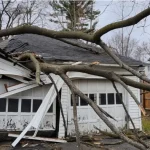
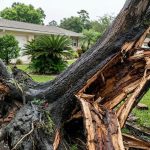
Root rot should never be ignored. Once decay takes hold below ground, it can quickly compromise the stability of a tree and create real risks for nearby structures, driveways, and walkways. In Schenectady, factors like heavy soils, drainage issues, and proximity to the Mohawk River make early action especially important.
Working with a qualified tree service in Schenectady allows problems to be identified before they turn into costly or dangerous situations. From accurate diagnosis to targeted treatment or safe removal when necessary, professional care helps protect both your trees and your property.
If you’re concerned about declining tree health or signs of root damage, reaching out early can make all the difference. Contact us to schedule an evaluation and get reliable, local support tailored to Schenectady’s conditions.