November 5, 2025
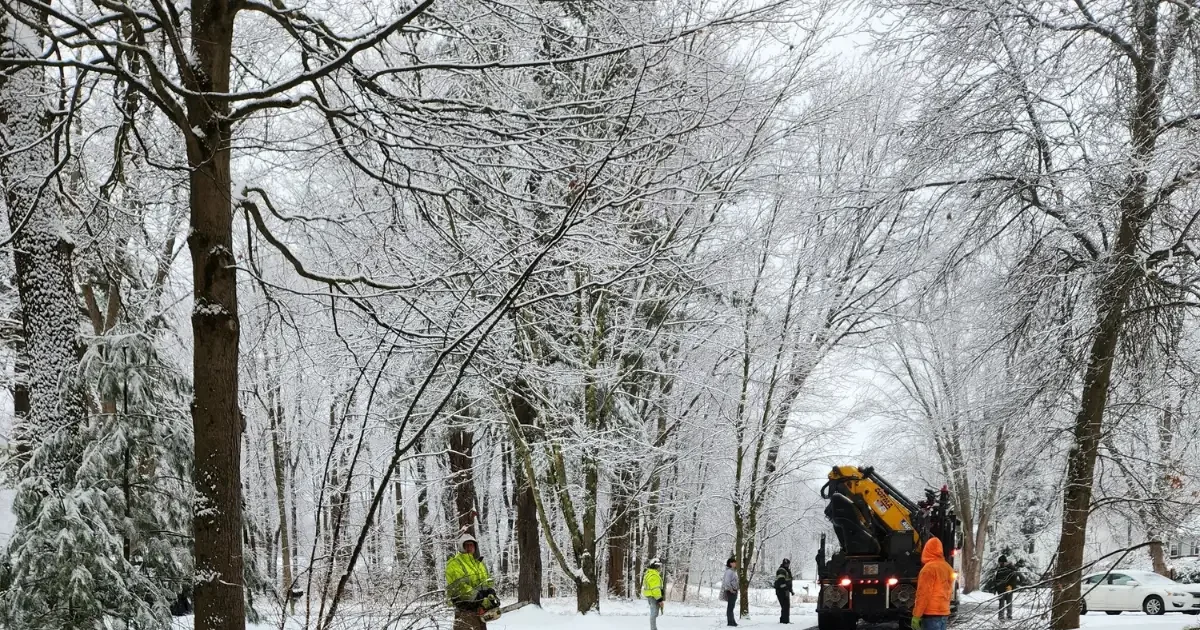
When winter arrives in Albany, NY, our trees face one of their toughest seasons. Between subfreezing temperatures, heavy snow, biting winds, and salt from road treatment, the cold months can put serious stress on both young and mature trees. With the right preparation, including proper fertilization timing, soil care, and protection, your landscape can emerge in spring healthier than ever.
This guide explains how to care for your trees through an Albany winter. You will learn when to fertilize, how to protect roots and bark, and what to avoid to keep your property looking its best all year.
Albany’s Winter Climate: How It Affects Tree Health
Albany sits in USDA Hardiness Zones 5a to 6a, where average winter lows range from -15°F to -5°F. These temperature swings, along with wet snow, ice storms, and road salt, create a harsh environment for trees.
Winter tree stress results from:
- Repeated freeze-thaw cycles cause bark splitting and frost cracks
- Frozen soil that limits water and nutrient uptake
- Dehydration caused by cold winter winds
- Salt damage from road de-icing
- Broken limbs due to heavy snow or ice
Although trees appear dormant in winter, their roots still function when soil temperatures remain above freezing. Protecting these roots and ensuring they have access to nutrients before deep winter is essential.
Should You Fertilize Trees in Winter?
Most experts say no. When the ground is frozen, roots cannot absorb nutrients. Fertilizer applied in deep winter often sits on the surface or washes away during thawing periods.
When is the Best Time to Fertilize in Albany?
| Season | Fertilization Timing | Goal |
|---|---|---|
| Late Fall (October–early November) | Ideal | Apply slow-release fertilizer so roots can absorb nutrients before dormancy |
| Deep Winter (December–February) | Avoid | Frozen ground prevents nutrient uptake |
| Early Spring (March–April) | Good | Soil begins to thaw, and roots start growing again |
Late fall is the ideal fertilization period in Albany. Apply a balanced, slow-release fertilizer such as 10-10-10 or 14-14-14 to strengthen roots and support spring growth. According to local tree professionals, this timing allows nutrients to move into the root zone while soil temperatures are still above freezing.
How to Fertilize Trees Properly
How should you fertilize trees before or after winter?
- Test your soil first.
A professional soil test will reveal nutrient deficiencies so you can apply only what your trees need. - Choose slow-release fertilizer.
This formulation feeds trees gradually and prevents runoff during snowmelt. - Apply under the dripline.
Spread fertilizer around the root zone beneath the outer canopy, not near the trunk. - Water deeply.
If the soil is not frozen, water after fertilizing to help nutrients reach the roots. - Avoid excessive nitrogen.
High nitrogen can encourage soft new growth that is easily damaged by frost.
If you miss the fall window, wait until early spring when the ground begins to thaw and roots become active again.
Preparing Soil and Roots for Winter
Healthy trees start with healthy soil. As winter approaches, strengthening the root zone is one of the best ways to protect trees from cold, drought, and stress.
1. Aerate the Soil
Compacted soil blocks air, water, and nutrients from reaching the roots.
- Aerate in late summer or early fall.
- Use an air spade or vertical mulching to loosen soil without damaging roots.
- This improves oxygen flow and helps absorb moisture before the ground freezes.
2. Apply Mulch the Right Way
Mulch works like an insulating blanket over the root zone.
Why mulching helps:
- Maintains stable soil temperatures
- Prevents moisture loss
- Reduces freeze–thaw cracking in soil
- Protects roots from lawn equipment damage
Spread 2–4 inches of organic mulch (wood chips, shredded bark, compost) around the base of the tree. Keep mulch 2–3 inches away from the trunk to prevent rot and pests.
3. Water Before the Ground Freezes
Should you water trees before winter? Yes.
- Trees need to enter winter with adequate moisture.
- Deeply water in late fall so moisture reaches 12–18 inches into the soil.
- Prioritize young trees, newly transplanted trees, and evergreens.
- During brief winter warm-ups (thaws), you can water again if the soil is soft and drains well.
Common Winter Tree Care Mistakes to Avoid
What mistakes should you avoid during winter tree care?
- Fertilizing when the ground is frozen
- Piling mulch against the trunk
- Using excessive nitrogen before winter
- Pruning during extreme cold
- Forgetting to water before the freeze
- Leaving protective wraps on too long
Avoiding these errors helps trees recover quickly when spring arrives.
What Should You Do in Early Spring?
When temperatures rise and snow melts, it is time to check your trees.
Early spring tree care checklist:
- Inspect bark and branches for frost cracks or dieback.
- Prune broken or damaged limbs cleanly.
- Test the soil again if you notice stunted growth or yellowing leaves.
- Apply a light spring fertilizer if nutrient levels are low.
- Refresh mulch around the base of trees.
- Deep-water root zones several times to flush out road salt.
This post-winter recovery ensures your trees bounce back strong after a harsh Albany season.
Species-Specific Winter Care Tips
| Tree Type | Common Winter Risks | Care Recommendations |
|---|---|---|
| Maple & Birch | Sunscald and frost cracks | Wrap trunks and add mulch |
| Oak & Elm | Drought stress | Deep watering before freeze |
| Pine & Spruce | Needle browning from the wind | Use burlap windbreaks and anti-desiccants |
| Cherry & Apple (ornamental) | Bark splitting and frost cracks | Wrap trunks and delay pruning until spring |
| Young Trees (under 5 years) | All of the above | Focus on mulching, watering, and wrapping |
Different tree species respond to cold stress differently. Local professionals can recommend the best fertilization and protection strategy for your specific mix of trees.
Why Fall Preparation is the Key to Winter Survival
Most winter tree damage in upstate New York can be prevented if the right care is done in fall. The key is to start early. Fertilizing, pruning and mulching should be done in September or October, before the first frost arrives. Once the ground freezes, roots can no longer take in enough nutrients or water.
Tree survival in winter depends heavily on root health. Strong, well-hydrated roots help trees get through dormancy and grow back stronger in spring. That is why fall watering, soil care and a proper layer of mulch around the root zone make such a difference.
It is also smart to inspect larger trees before heavy snow or strong winds arrive. A trained professional can spot early signs of disease, decay or weak branches that might break during storms.
Taking care of trees in fall costs far less than emergency removals in winter. It lowers risk and keeps your property looking good all year.
Protecting Trees from Winter Damage in Albany
How can you protect tree bark from sunscald?
Sunscald occurs when winter sunlight warms bark during the day, and rapid temperature drops at night cause splitting. Thin-barked species like birch, maple, and fruit trees are most vulnerable.
How to prevent sunscald and frost cracks:
- Wrap trunks with tree wrap or burlap from late fall through early spring.
- Remove wraps in April to prevent trapped moisture.
- For extra protection, paint trunks with a 50/50 mix of white latex paint and water to reflect sunlight.
How do you prevent salt damage?
Salt used on roads and driveways can dehydrate roots and disrupt soil chemistry.
Tips to reduce salt injury:
- Avoid piling plowed snow near tree bases.
- Use calcium magnesium acetate (CMA) or sand instead of rock salt.
- Flush the soil with clean water in early spring to wash away salt buildup.
- Create barriers such as burlap screens between the street and the tree line.
Should you prune trees in winter?
Late fall or early winter is the best time for structural pruning. Removing dead or weak branches reduces the risk of breakage from snow and ice. Avoid pruning during very cold spells, when wood can crack easily.
If major pruning is required, hire a certified arborist who understands proper techniques and timing.
How do you protect trees from snow and ice load?
Snow and ice accumulation can snap branches overnight. To minimize damage:
- Maintain a strong central leader through proper pruning.
- Tie multi-stem evergreens like arborvitae with soft fabric for support.
- Never shake ice-covered branches. Allow the ice to melt naturally.
How do you protect evergreens from wind burn?
Winter wind can dry out evergreen needles, leading to brown patches known as winter burn.
Prevention methods:
- Install burlap windbreaks on exposed sides.
- Apply anti-desiccant sprays in late fall (check labels for species safety).
- Maintain mulch and proper watering through fall.
When to Call a Professional for Winter Tree Care
Most homeowners can handle basic mulching and watering, but professional arborists are essential when:
- You notice large frost cracks or leaning trees after storms.
- Tree branches hang near power lines.
- Ice damage or broken limbs threaten property.
Professional assessments prevent costly damage and ensure safe recovery through spring.
FAQs About Winter Tree Care in Albany, NY
When is the best time to fertilize trees in Albany?
Late fall, from October to early November, is ideal for tree fertilization in Albany. Soil temperatures are still warm enough for roots to absorb nutrients before dormancy. Avoid fertilizing during frozen conditions in December through February.
Should I wrap my trees for winter?
Yes, especially for young or thin-barked trees such as maples, birches, and fruit trees. Use burlap or commercial tree wrap to prevent sunscald and frost cracks. Remove the wrap in early spring to avoid trapped moisture.
How can I prevent salt damage to my trees?
Avoid piling plowed snow near tree bases, and use calcium magnesium acetate (CMA) or sand instead of rock salt. In early spring, water deeply to flush out accumulated salt and restore soil balance.
Do evergreens need extra care in winter?
Yes. Evergreens like pine and spruce are prone to windburn and dehydration. Apply anti-desiccant spray in late fall, install burlap windbreaks, and water thoroughly before the ground freezes.
How do I know if my trees were damaged by frost?
Look for bark cracks, discolored leaves, or brittle branches once the snow melts. Schedule an inspection with a professional arborist to determine whether the tree needs pruning, support, or removal.
Tree & Stump Removal Service in Albany, NY
Winter tree care is all about prevention. With proper fertilization, soil preparation, watering and protection, our trees stay strong through Albany’s harsh winters. By spring, those efforts pay off in healthier growth and vibrant foliage.
For homeowners who want professional help with winter tree care, pruning or safe tree removal, our team at Tree & Stump Removal Service is here to help. We provide reliable tree care and tree services in Albany, NY, including year-round fertilization, trimming and stump removal.
Schedule your winter tree inspection today.